Why commitment makes you happy
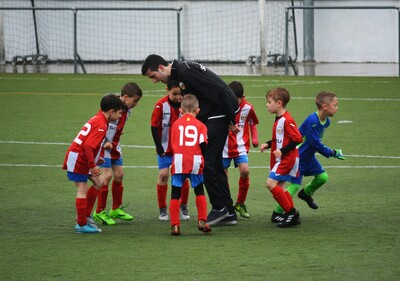
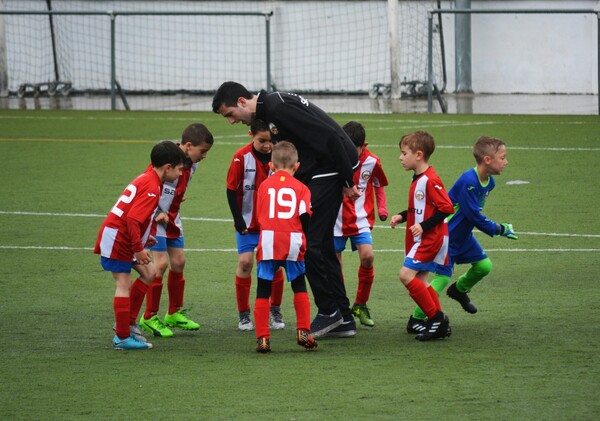
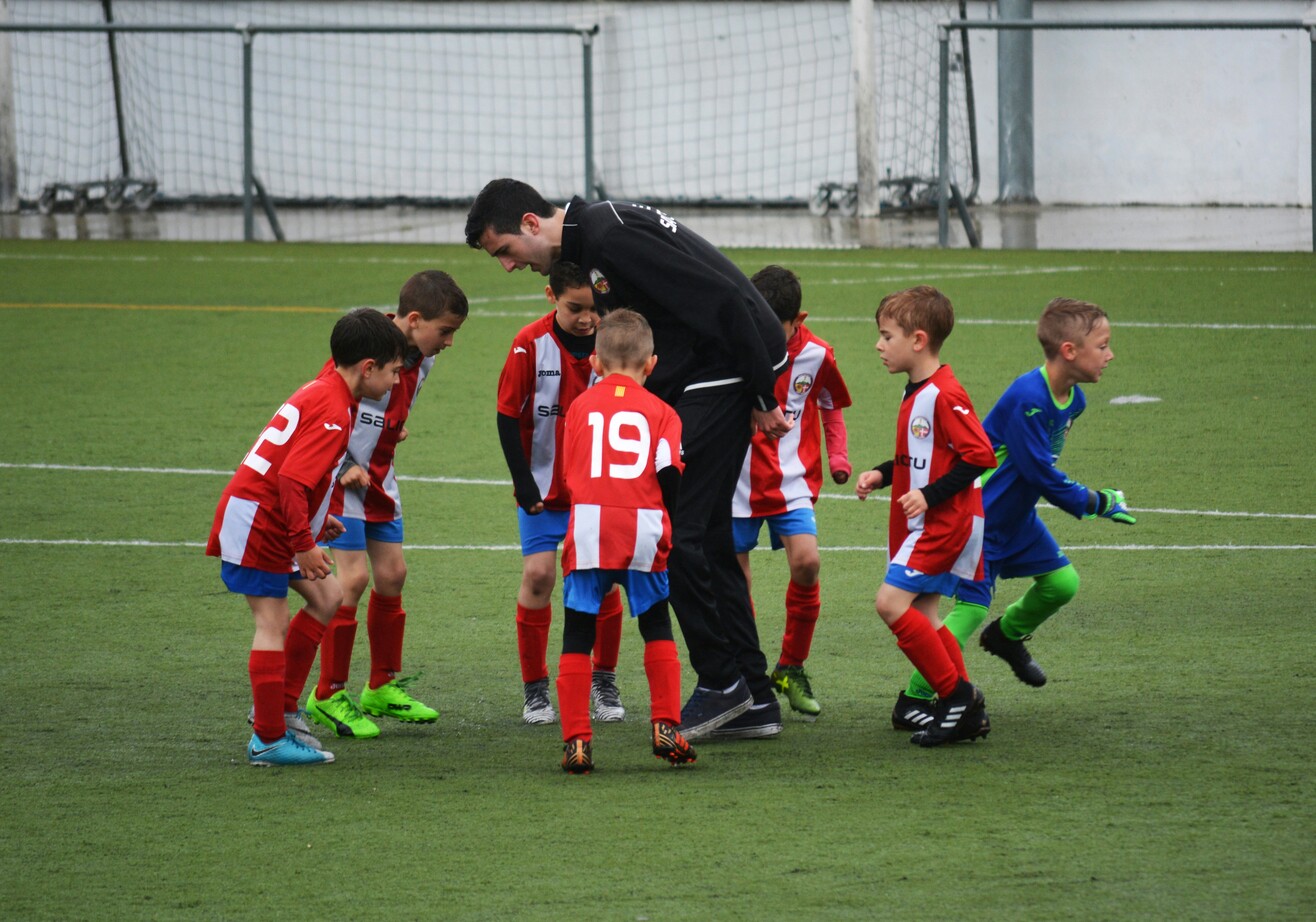
Whether at holiday camps, weekend trips or in youth leadership: youth work in Berlin thrives on the commitment of volunteers. Many of them work and also take on responsibility for groups of children and young people. Until now, this often meant using their own holidays to make youth work possible. Since 1 January 2020, things have been different: Berlin has introduced the right to special leave for volunteers in youth work - and thus significantly strengthened the framework conditions for voluntary work.
The legal basis is Section 10 of the Berlin Act on the Implementation of the Child and Youth Welfare Act (AG KJHG). The decisive change: a "target regulation" has become a binding "actual regulation". Employers are now obliged to grant special leave - and may only reject applications if there are compelling operational reasons for not doing so. This creates legal certainty and planning security for everyone involved.
Who is entitled?
Persons who work on a voluntary basis in eligible youth work associations or organisations and can prove that they are appropriately qualified - for example with the Juleica youth leader card - can be granted special leave. Special leave can be applied for for up to twelve working days per calendar year, spread over a maximum of three events. Typical areas of activity are holiday camps, training camps or educational trips.
Paid or unpaid leave?
The entitlement initially only concerns the leave of absence - not automatically the continued payment of wages. Whether wages continue to be paid during the special leave depends on labour or collective agreement regulations or a company agreement. If this is not the case, the employer decides whether the special leave is paid or unpaid. In any case, however, the entitlement to leave of absence remains.
How does the application process work?
Special leave must be applied for in writing to the employer. In addition, confirmation is required from the youth organisation or sponsor that the voluntary work will be undertaken as part of a measure. Many youth organisations have already prepared sample applications to make the process easier.
Why is this regulation so important?
Youth work is an indispensable part of our community: it strengthens social skills, promotes participation and creates spaces in which young people can try things out and grow. At the same time, youth work relies on voluntary commitment. Good framework conditions for volunteers are therefore an investment in the future.
Special leave for voluntary work creates fairness. It prevents voluntary work from being at the expense of personal recreation and strengthens people who take on responsibility for young people. For clubs and associations, the regulation means clear support for their work. And for Berlin's youth work as a whole, it is a signal: commitment is valuable - and deserves reliable framework conditions.