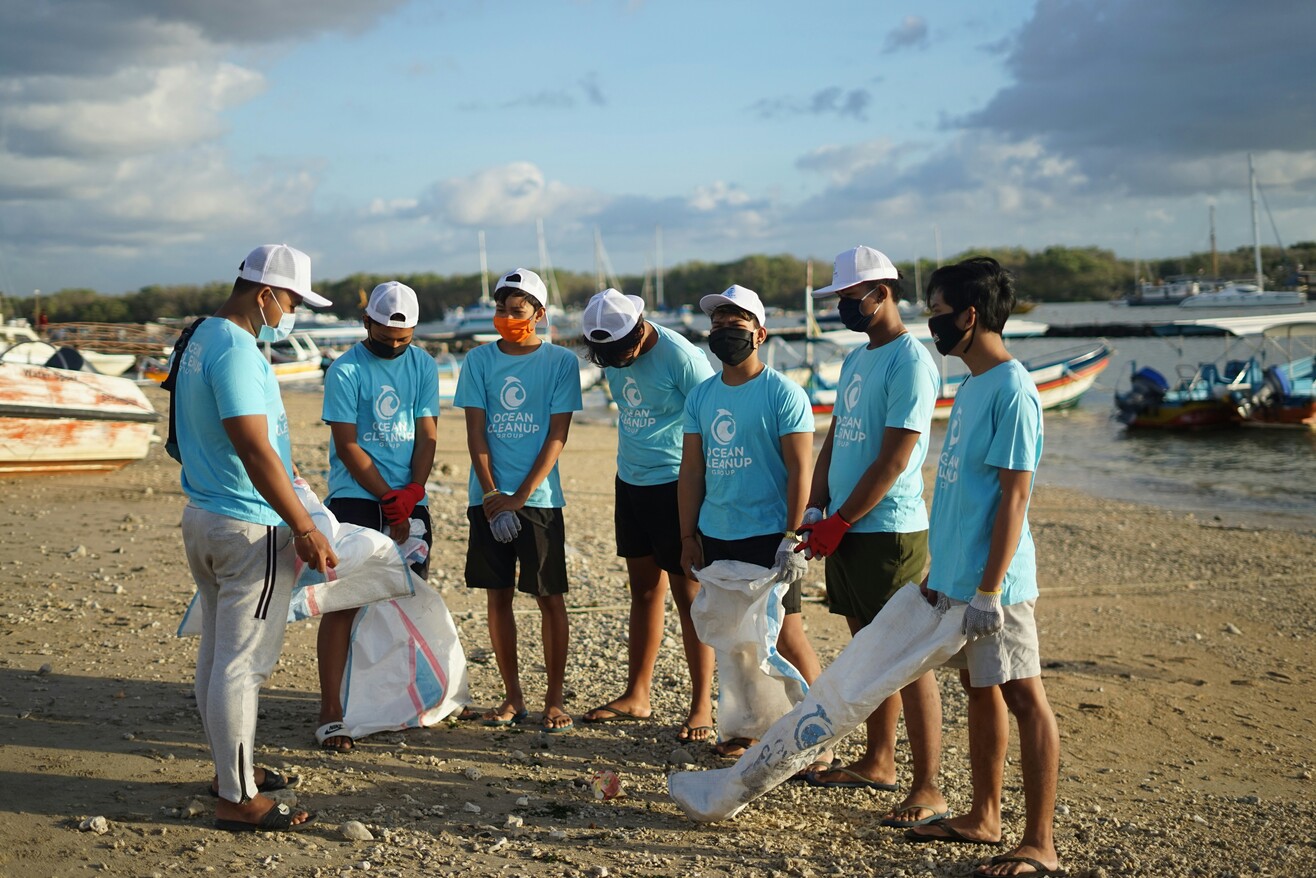
Volunteering remains a cornerstone of social cohesion in Germany. The Sixth German Survey on Volunteering (FWS 2024) shows that despite years of crisis, the pandemic and economic uncertainty, millions of people continue to volunteer - albeit with noticeable shifts in scope, access opportunities and target groups.
How many people are involved?
In 2024, 36.7% of the population aged 14 and over will be involved in voluntary work - this corresponds to around 27 million people. This means that the volunteering rate remains high, but is slightly below the 2019 figure (39.7%) .1
Who gets involved particularly often?
The highest proportions are still found among 30-49 year olds (40.4%) and 14-29 year olds (39.9%). The rate only drops significantly from the age of 75 (21.1%) .2
Interestingly, women and men are equally likely to get involved - a historic change, as men were almost 10 percentage points ahead in 1999 .3
Education continues to play a decisive role
The survey once again confirms one of the most stable inequalities:
- low school education: 24.6 %,
- medium education: 35.9 %,
- high school education: 45.5 %.
The differences have narrowed somewhat, but remain clear .4
Engagement of people with a migration background
In 2024, 28.4% of people with an international family history are involved in volunteering, compared to 40.1% of people without a migration background. It is worth noting that the proportion of people with a migrant background remains stable, while there is a slight decline among people without a migrant background. What's more, volunteering is on the rise among people with personal experience of immigration - against the overall social trend (from 20.1% to 25.8%). They are also more likely than average to volunteer for refugees .5
Regional differences
A look at the regional differences shows that people in rural areas continue to volunteer slightly more frequently than those in cities. In 2024, 38.4% of the population in rural areas will be active volunteers, compared to 35.8% in urban regions. The gap is therefore slightly smaller than in 2019, but still clearly recognisable. There are still differences between east and west. In the western German federal states, 37.3% of the population is involved in volunteering, compared to 34% in the east. Between 1999 and 2019, the difference in volunteering between eastern and western Germany shrank significantly - from 7.9 to 3.4 percentage points. However, this trend will not continue in 2024 .6
How intense is engagement?
Many volunteers are volunteering more regularly and with more time than five years ago: 24% invest 3-5 hours per week, 19% even 6+ hours .7 The frequency is also increasing: 48% volunteer at least once a week. This trend shows that volunteering continues to play an integral role in many people's everyday lives .8
In which areas do people get involved?
Sport and exercise remains the undisputed largest area: almost 13% of the population are involved in this area.
This is followed by
- Social affairs - 8 %,
- Culture & music - 6 %,
- School & kindergarten - 6 %,
Church / Religion - 6 % .9
How do people get involved?
Associations remain central: 49% of volunteers are involved in associations. Self-organised groups - a growing trend in recent survey years - stagnate at 13% in 2024. Around a quarter of all volunteers take on leadership or board functions .10
In 2024, more than half of volunteers only carried out one activity, but a large proportion were involved in several areas at the same time. 26% of volunteers have two parallel activities, 21% even have three or more. On average, volunteers therefore have 1.8 activities - slightly less than in 2019, when the average was 2.0 .11
Who would be willing to get involved in the future?
Among the non-engaged, 41% show a willingness to get involved in the next 12 months. The potential is particularly high among young people: 66% of 14-29 year olds would be open to it .12
Why do people end their commitment?
Ten per cent of volunteers state that they can no longer afford to devote time to their volunteering activities. In the 30 to 49 age group, this even applies to 15 per cent.
Other reasons:
- Lack of time (62%),
- health reasons (32%),
desire for less commitment (31%) .13
Conclusion
The FWS 2024 shows stable, lively engagement - but also clear structural inequalities. Particularly positive: young people and people with their own migration experience are becoming increasingly involved. At the same time, the data shows where politics and society need to focus: on time resources, access and reducing social barriers.
Source:
Sixth German Volunteer Summit 2024
1. & 2. S. 4
3. S. 8
4. S. 11
5. S. 12
6. p. 44f
7. S. 20
8. S. 4
9. & 10. & 11. S. 5
12. S. 14
13. P. 16 - P. 18