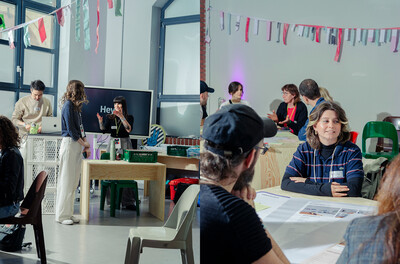
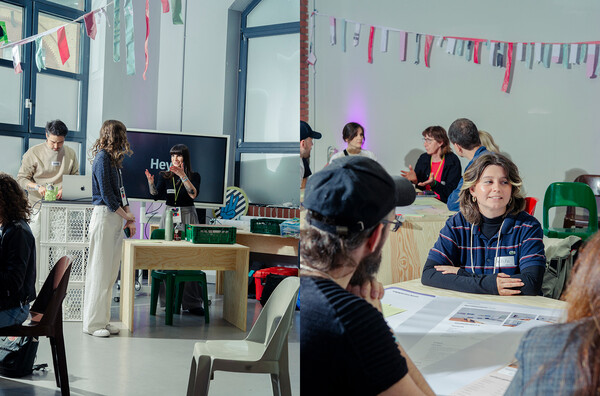
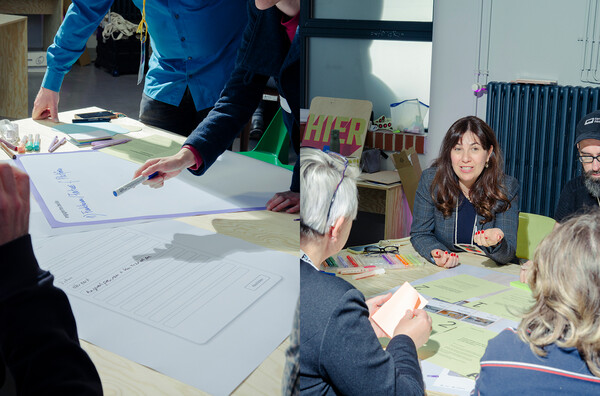
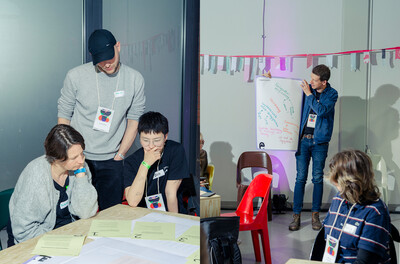
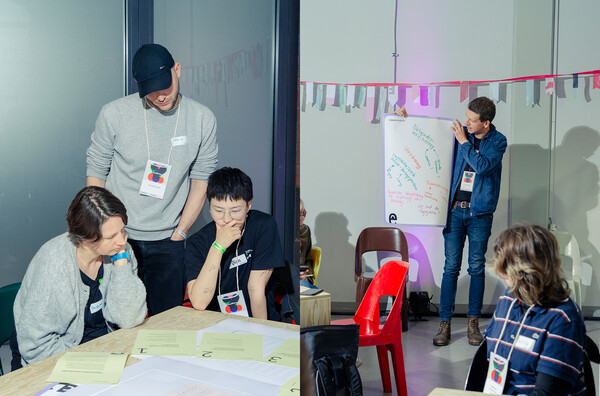
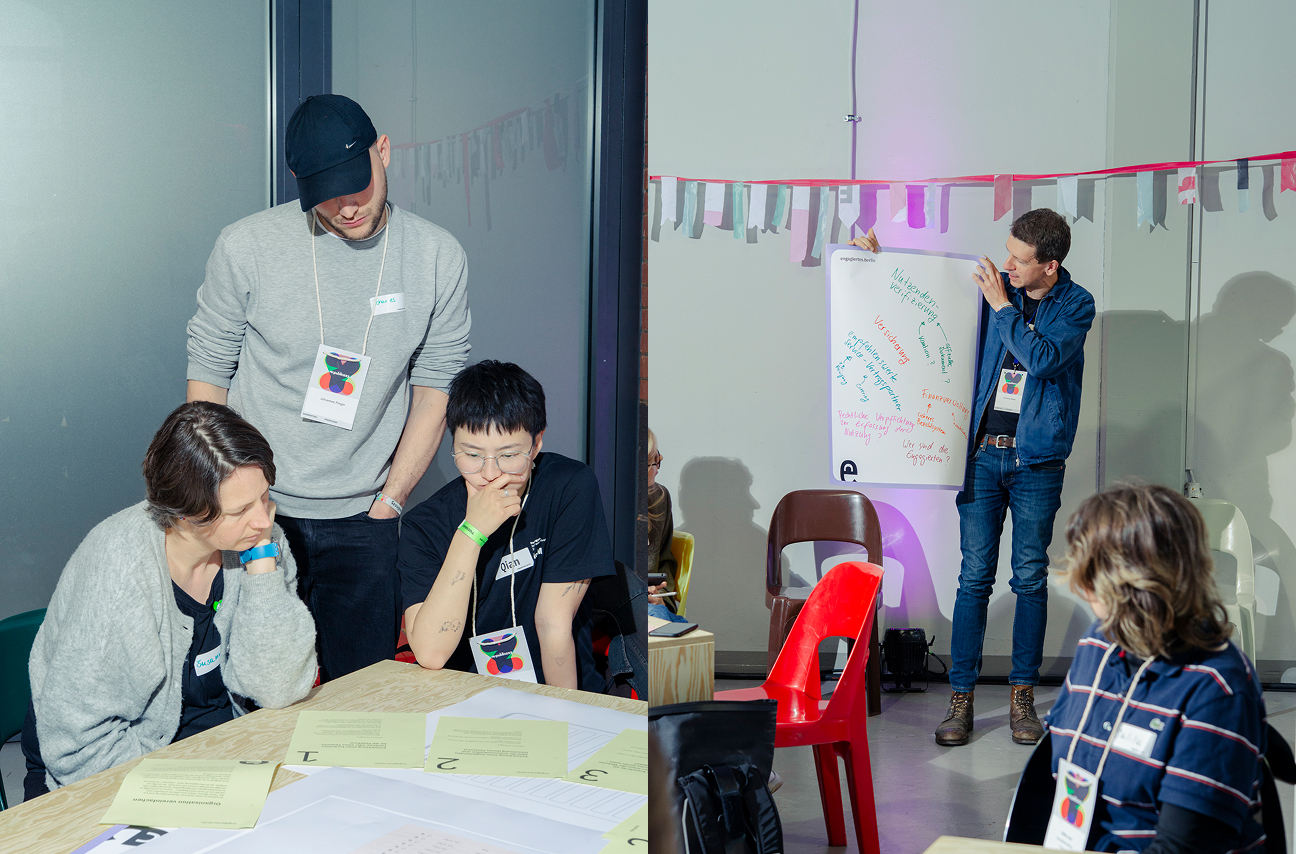
Workshop no. 3 at the re:publica 2025
Berlin is full of empty spaces - and full of initiatives that can't find a place for their work. This is exactly where engagiertes.berlin comes in. At re:publica 2025, we discussed this with committed people, cultural workers, space providers and city makers : How can digital solutions help to make spaces for engagement more accessible?
The focus was on the question: What does a platform need to make spaces not only visible but also usable? It became clear that trust, transparency and good communication are just as important as database entries.

Rooms are more than just rooms
Spaces are not neutral - they reflect the values of the people who use them. Many initiatives are therefore not just looking for any space, but one that suits their work . For both sides - seekers and providers - two central questions take centre stage:
- Who is my counterpart?
- How can I be sure that my trust will not be betrayed?
These questions accompany the entire process of space utilisation: from the search to the placement to the utilisation itself.
What engagiertes.berlin can achieve - and what it cannot
A digital platform alone cannot solve the lack of space in Berlin. Spaces are created through relationships, communication and trust . But: engagiertes.berlin can help to prepare and facilitate these relationships. The platform takes on the role of a curating space directory - without login, without data storage, but with a clear structure and helpful filter functions.
Ideas from the workshop: How to improve the room tool
Despite the deliberately simple access without login, many ideas were developed on how to make the tool more human, trustworthy and helpful:
-
Rooms need stories
Personal quotes, pictures, experience reports from room providers or users create a sense of closeness and orientation. -
Feedback strengthens quality
An internal feedback form enables feedback on usage.
An anonymous rating system could create trust - with clear rules to prevent abuse. -
Trust recognises signs
A "community-tested" tag identifies rooms that have already been used and positively rated - a visible signal of quality. -
Rules create clarity
A code of conduct and accompanying articles or checklists help to clarify expectations and reduce uncertainty.
Outlook: A digital room tool with real impact?
The discussion showed that the potential goes far beyond a simple list. In the long term, engagiertes.berlin could develop a fully-fledged space tool - for example with:
- User profiles and verification
- Booking function and in-app communication
- Checklists on legal and organisational issues
- Rating systems and community seals of approval
In short: an Airbnb for engagement - customised for Berlin initiatives.
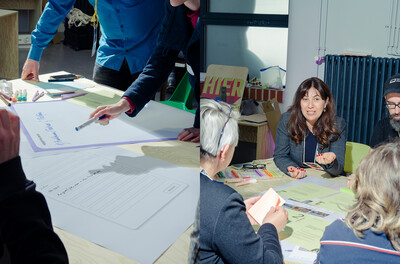
Trust, rules and visibility: results from the group work
In several small groups, concrete requirements for a functioning spatial mediation were collected:
Strengthening trust:
- A code of conduct that everyone signs
- Verifications and personal contacts
- Information on values, target groups and no-gos
Simplify organisation:
- Clearly defined mandatory fields in the contact form
- Legal security (insurance, fiduciary solutions)
- Support from partner services (e.g. cleaning, technology)
Improve the contact process:
- Prepare legal information in a compact format
- Templates for enquiries
- Internal feedback option after use
Our conclusion from the re:publica
Without spaces, commitment remains invisible. But spaces are more than just square metres - they are places of encounter, collaboration and visibility. The workshop showed that a digital structure can facilitate access, but only if it builds trust and involves people.
The space tool from engagiertes.berlin is designed to do just that - low-threshold, transparent and developed together with the community.